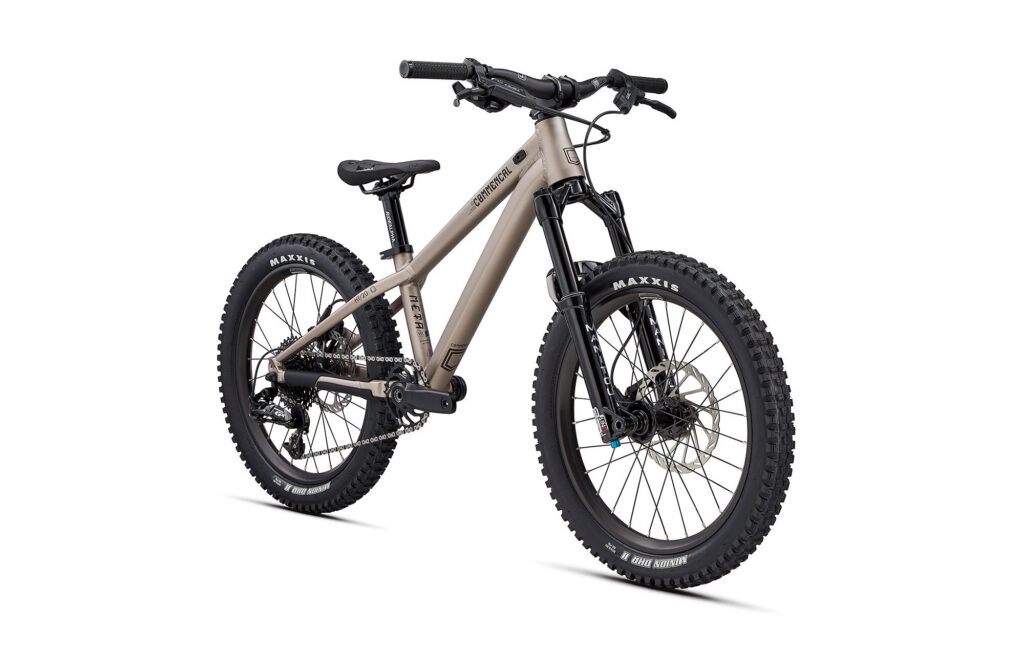
Choosing the right size kids bike is the single most important factor in whether your child will love riding—or struggle with it. A bike that’s too big is scary and hard to control. A bike that’s too small is uncomfortable and inefficient. This guide will help you find the perfect fit for your child.
Unlike adults who can adapt to slightly imperfect bike fits, children are still developing their motor skills and confidence. The right size bike:
Buying a bike “to grow into.” This well-meaning approach often backfires—kids struggle with oversized bikes and may develop a fear of riding or bad habits that are hard to break later.
While every child is different, this chart provides a solid starting point based on wheel size:
| Wheel Size | Child’s Height | Typical Age | Inseam Length |
|---|---|---|---|
| Balance Bike / 12″ | 2’10” – 3’4″ | 2-4 years | 12″ – 17″ |
| 14″ | 3’1″ – 3’7″ | 3-5 years | 15″ – 18″ |
| 16″ | 3’7″ – 4’0″ | 4-6 years | 18″ – 22″ |
| 20″ | 4’0″ – 4’5″ | 5-8 years | 20″ – 25″ |
| 24″ | 4’5″ – 4’11” | 8-11 years | 24″ – 28″ |
| 26″ | 4’11″+ | 10+ years | 28″+ |
Important: Height and age are general guidelines. Inseam length is the most accurate measurement for proper fit.
Have your child stand against a wall in bare feet or thin socks:
This measurement determines the minimum standover height needed.
While they’re against the wall, measure their total height. This helps confirm the wheel size range.
Once you have a bike, perform this simple test:
Standing over the top tube with feet flat, there should be 1-2 inches of clearance. When seated, they should reach the ground with the balls of their feet.
Top tube touches or presses against them when standing. Toes barely reach pedals. Handlebars feel far away. This bike is not safe yet.
Knees come up very high when pedaling. Child looks cramped on the bike. They’ve outgrown it and will lose interest.
Two bikes with the same wheel size can fit very differently. Premium kids bikes from brands like Woom, Prevelo, and Cleary are specifically designed for children’s proportions:
Lift the bike. If it feels heavy to you, imagine how it feels to a child who weighs 40-60 pounds. Quality kids bikes from Woom typically weigh 11-18 pounds, while big-box store bikes often weigh 20-25+ pounds.
Kids grow fast. Signs it’s time for a bigger bike:
Getting the right fit is tricky without trying bikes in person. That’s where Bike & Grow comes in.
We deliver premium kids bikes to your door and help fit your child perfectly—no bike shop trip needed. Plus, with our subscription, you can swap sizes as they grow.
Find the Right SizeNo. This is the most common mistake and often leads to frustrated kids who can’t control their bike. It’s better to get a bike that fits now. If you’re worried about outgrowing it quickly, consider a bike subscription that lets you swap sizes.
For newer riders, go with the smaller size—confidence is crucial. For experienced riders who are confident and skilled, the larger size may work if they’re close to the height minimum.
Typically 1-2 years per size, though it varies. Growth spurts can shorten this significantly. Most kids go through 4-5 bike sizes between ages 2-12.
Generally yes, but geometry matters too. Two 16″ bikes can fit differently based on frame design. Always check the manufacturer’s recommended height range.
Yes, balance bikes focus on seat height rather than wheel size. The seat should be set so your child can walk the bike with feet flat on the ground, knees slightly bent.